October is Cybersecurity Awareness Month, which makes it a good excuse to take an honest look at how your business is protected.
Cybersecurity stopped being “the IT guy’s problem” a long time ago. If phishing, ransomware, or stolen credentials knock you offline, it’s a business problem: lost revenue, exposed data, and customers who start wondering whether they can trust you. Small and mid-sized companies get hit more often than most people expect, and attackers know smaller teams often have fewer defenses.
The good news is that you don’t need a huge budget or fancy tools to make a real difference. Start with these five.
1. Lock down your logins
Use strong, unique passwords, and turn on multifactor authentication (MFA) everywhere it matters: email, cloud apps, remote access, and any system holding sensitive data. If you can, choose phishing-resistant MFA, like hardware security keys or passkeys. It’s much harder for an attacker to trick or bypass than a text message code.
2. Teach your team to spot phishing
Most attacks don’t start with some Hollywood-style hack. They start with an email, text, or fake website that looks just convincing enough. Show your employees what the red flags look like, and encourage them to double-check anything unexpected, especially requests involving money or credentials. Just as important, make it easy and judgment-free to report something suspicious. Someone who speaks up quickly can save you a lot of pain.
3. Keep everything patched
Attackers love old software because the holes are already known. Keep your operating systems, applications, network devices, and security tools up to date. Short on time? Start with vulnerabilities that are being actively exploited in the wild, since those are the ones attackers are using right now.
4. Protect the data that keeps you running
Ransomware is scary mostly because of what it can take away, and good backups are your best answer. Aim for the 3-2-1 rule:
- 3 copies of your data
- 2 different types of storage
- 1 copy offline or at a separate secure location
That offline copy matters more than you’d think. If it’s disconnected from your network, ransomware can’t reach it to encrypt or delete it. And a backup you’ve never tested is just a hope, so restore from it regularly to make sure it works. Pair that with sensible access controls and encryption so only the right people can reach your sensitive information.
5. Plan for the day something goes wrong
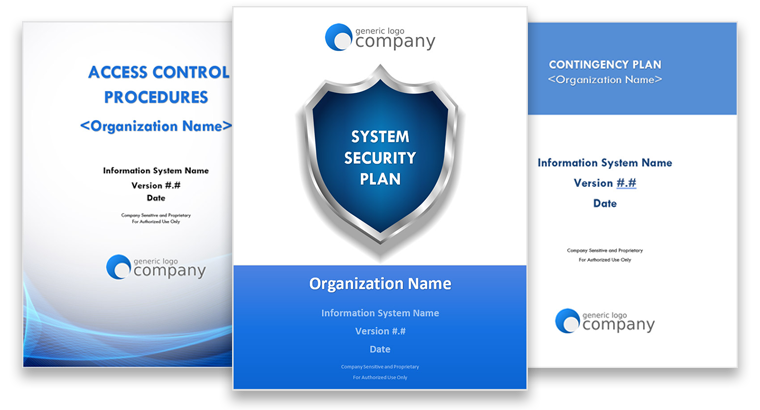
Even well-prepared businesses have bad days. The question is whether you’ll scramble or follow a plan. Write down an incident response plan: who’s in charge, how incidents get reported, and what it takes to get back to normal. Then run through it from time to time so nobody is reading it for the first time in the middle of a crisis.
If you’re a defense contractor, there’s more at stake
If you support the Department of Defense, you’re part of a supply chain that adversaries actively target, and you have extra responsibility for protecting Controlled Unclassified Information (CUI).
Implementing the controls in NIST SP 800-171 and getting ready for the Cybersecurity Maturity Model Certification (CMMC) helps you protect that information and meet your contract requirements. But a binder of policies won’t cut it. You need safeguards that are actually in place, known weaknesses that get fixed, trained employees, and regular check-ins on how it’s all holding up.
Make it a year-round habit
Awareness Month is a good moment to ask what’s working, what isn’t, and what to do next. You don’t have to fix everything at once. Pick one thing from this list and do it this week.
At CKSecurity Solutions (CKSS), we help organizations build stronger cybersecurity programs through security risk assessments, compliance gap assessments, remediation support, advisory services, and CMMC readiness. If you’re not sure where to start, we’re happy to talk.
Learn more at www.cksso.com.
Have questions about Compliance?